I am fascinated by the diversity of microorganisms and the dependence of ecosystems on microbial processes. My expertise is in marine microbial ecology, and my research has focused on primary producers, including the biogeography of cyanobacteria and the diversity of viruses infecting harmful bloom forming phytoplankton. My research program has expanded to understanding trophic interactions of the lower food web, particularly protist symbionts of zooplankton, and microbial symbiosis in insect guts. I also have collaborations investigating the effects of climate change on peat bogs, microbial-influenced corrosion, and sustainability in agriculture. In my research, I specialize in developing molecular, genomics, metabarcoding, and bioinformatic methods to elucidate the biology and ecology of environmental microbes.
I am a Chemical Engineer and PhD in Sciences (Biochemistry). My research has focused on several areas: xenobiotics biodegradation, microbial ecology, analysis of genomic/metagenomic data, viromics, and monitoring microbiomes (bacteriome and virome) in various environments.
Currently, as a Postdoctoral Fellow at the University of Western Ontario, I am studying the microbiota of transgender people and develop bioinformatic approaches for gene and protein sequence clustering.
As a Colombian and first-generation scientist, I am passionate about empowering students, particularly underrepresented minorities, to pursue careers in science.
Click to watch Jorge's award-winning 2-minute Research Sprint!
Jorge is also working with Jessica Prodger and Art Poon
I am a biologist with a PhD in Biology, specializing in plant molecular biology and genetics. Currently, I am a postdoctoral associate studying how regenerative agricultural practices influence soil quality, water quality, greenhouse gas emissions, ecosystem function, and the soil microbiome. I am particularly interested in how practices such as cover cropping, reduced tillage, crop diversification, and organic amendments shape microbial communities that drive nutrient cycling, soil structure, plant health, and environmental resilience. I am passionate about advancing climate-smart and sustainable agriculture through approaches that improve soil health and repurpose agricultural waste as valuable soil amendments. My work aims to support more resilient, productive, and environmentally responsible farming systems.
Linda is also working with Raymond Thomas and the Collective Action Program in Regenerative Agriculture
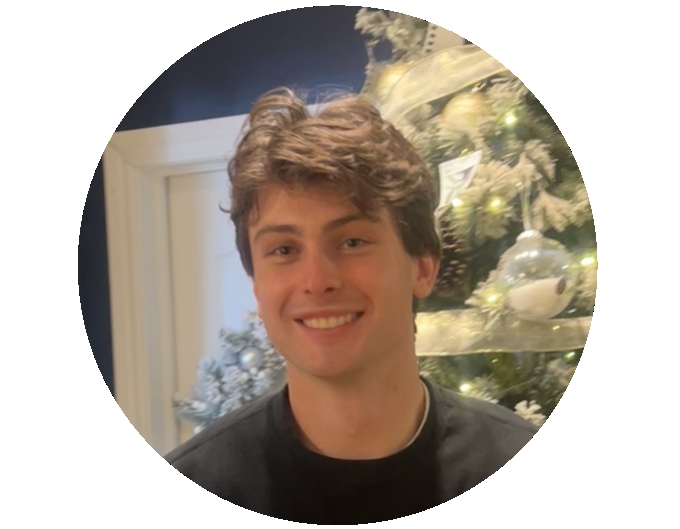
I completed my B.Sc. degree in genetics at Western University. I am now a M.Sc. student in the Tai lab, working on bioinformatics software capable of generating universal PCR primers for large communities of organisms, particularly phytoplankton. With a novel universal primerset I will advance current metabarcoding techniques to understand more about phytoplankton community composition during key time points.
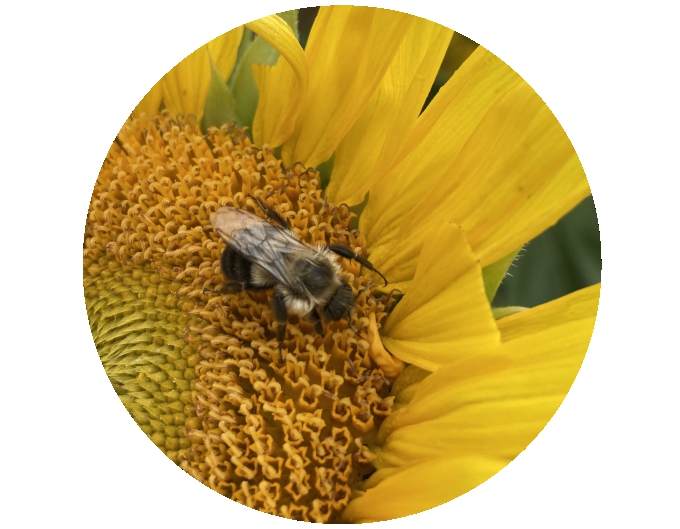
Anna is a PhD candidate, also co-supervised by Caroline Strang. Anna is investigating the role of gut microbiota in behaviour and cognition of bumblebees.
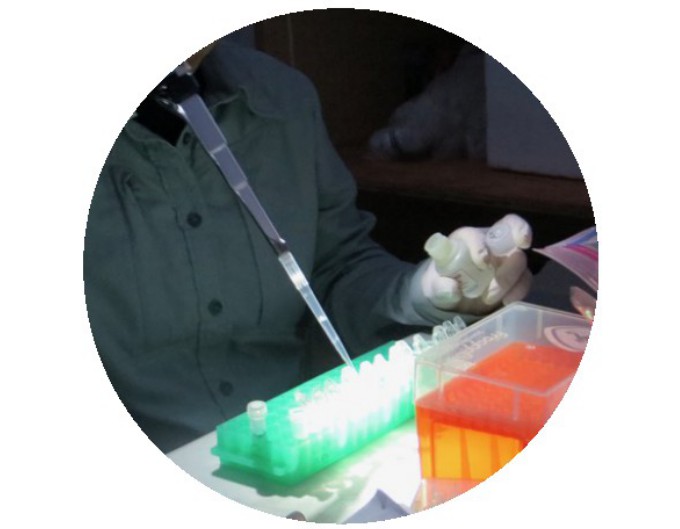
If you are motivated by microbial ecology, diversity and evolution, genomics, or bioinformatics, this could be the lab for you!
Visit our Research page to learn about current projects and contact Dr. Tai with your CV and university transcript.
Grace Glinoga, Western USRI summer student
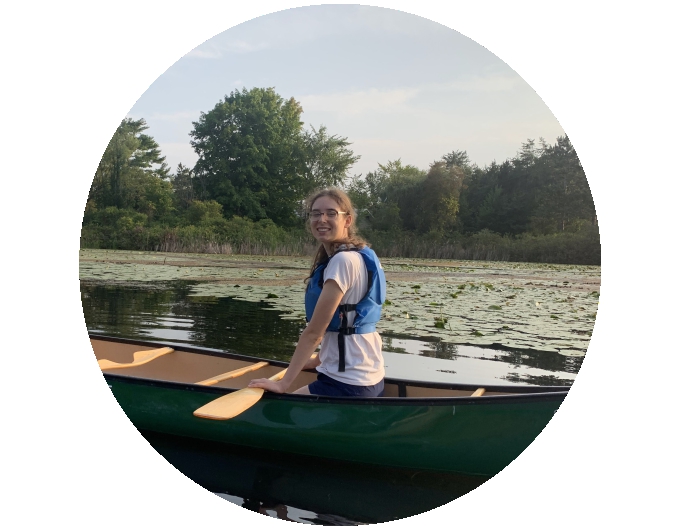
Annella Roney, NSERC USRA summer student, co-supervised with Caroline Strang

Cadence Underhill-Michener, research assistant and volunteer
Co-supervised with Yolanda Hedberg, Maedeh's research focuses on microbial influenced corrosion. Maedeh is currently completing her PhD in the Hedberg lab.
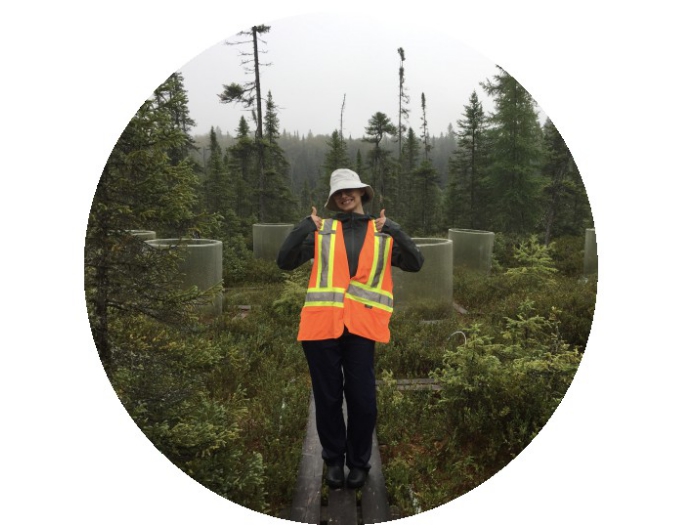
Co-supervised with Zoe Lindo, Cristina investigated the effects of warming on the microbial community in peatlands. Currently, Cristina is a PhD student in Czechia.
Co-supervised with Yolanda Hedberg, Richard investigated the potential of carbene coatings of steel to protect against microbial induced corrosion. After graduating, Richard started working at a microbial food safety lab.
Paul's research investigated the role of the soil microbiome in ginseng replant disease. After graduating, Paul went on to pursue a Bioinformatics graduate degree at the Chinese University of Hong Kong.
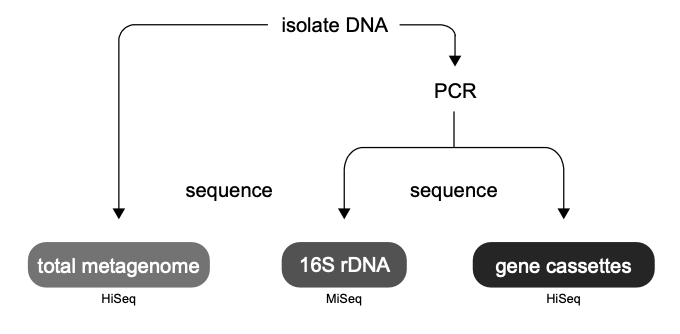
Co-supervised with Ed Topp, Liam's research used metagenomics to examine the prevalence of antibiotic resistance genes and mobile genetic elements in agricultural soils exposed to antibiotic pollution. Currently, Liam is a Bioinformatician with the Canadian Food Inspection Agency.
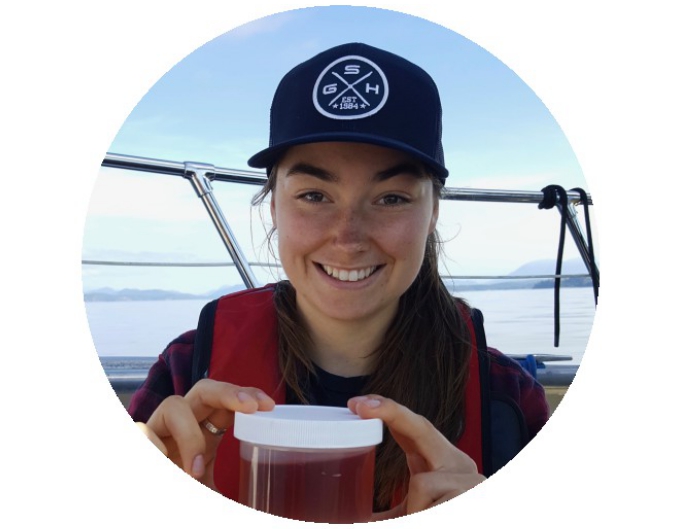
Rosie's research focused on the use of DNA-based methods to evaluate the diversity and distribution of protist parasites in zooplankton populations. After graduating, Rosie became a Marine Genomics Lab Technician at the Hakai Institute.
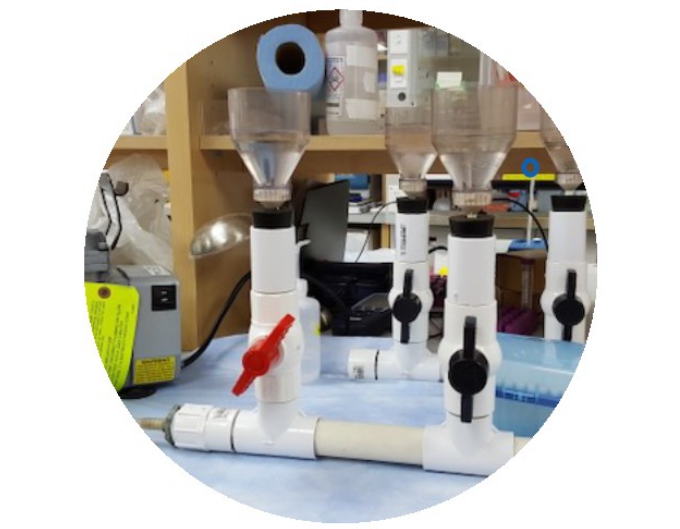
Michael Yoshida, Western USRI summer student, research volunteer, 2025-2026
Sarah Michaelson, NSERC USRA summer student, 2025
Malena Machado, Honour's thesis student, 2024-2025
Masie Gorial, Honour's thesis student, co-supervised with Robert Buchkowski, 2024-2025
Guy Khitro, research volunteer, 2024-2025
Jessika Noenchen, Honour's thesis student, co-supervised with Ed Topp at Agriculture and Agri-Foods Canada, 2022-2023
Sarah Gowanlock, Honour's thesis student, co-supervised with Jessica Prodger, 2021-2022
Mikhail Salnikov, Work-study student, co-supervised with Ryan Troyer, 2021-2022
Lydia Balogh, Honour's thesis student, 2020-2021
Andrew Metcalfe, Honour's thesis student, 2020-2021
Jaquline Nathaniel, Honour's thesis student, 2020-2021
Manveer Sangha, Honour's thesis student, 2020-2021
Alexandra Hicks, Honour's thesis student, 2019-2020
Irina Todoran, Honour's thesis student, 2019-2020
Alexandra Ferrara, Honour's thesis student, 2017-2019
Vivian Ng, Honour's thesis student, 2017-2018
Jonathan Wang, volunteer, 2018